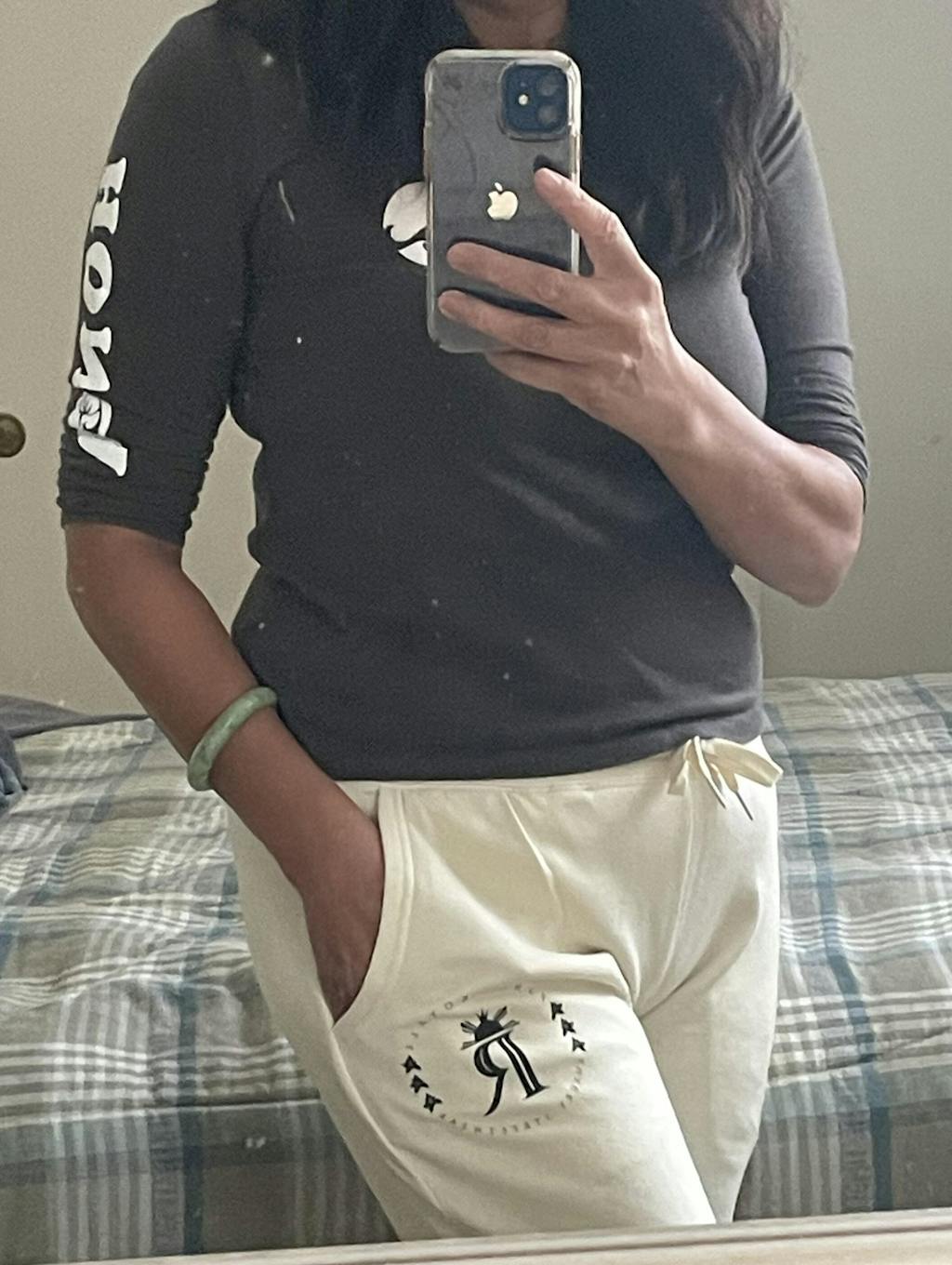
Thank you for our comfy PR gear! I love that I can sport my favorite flower & Philippines.
Pinoy Royale was born from a deeper calling—not just to make clothing, but to reclaim the crown that history tried to erase.
We are descendants of revolutionaries, artists, healers, and visionaries. From royal courts of the Qing Dynasty to the quiet strength of Filipino immigrants rebuilding abroad—our roots are diverse, global, and proud.
This brand exists to:
Every drop is a tribute.
Every stitch a statement.
This is more than fashion.
This is Pinoy Royale.
Elevate your heritage. Elevate yourself.
This page presents the historical and genealogical context surrounding the origins of the Sunico family and the cultural foundations that form The House of Pinoy Royale.
The following timelines are presented as archival reference materials. They are intended to be read slowly, with context provided below.
Archival genealogical timeline compiled from institutional records, surname genealogy, and historiographical sources.
Classical mythological lineage presented for cultural and historiographical context, distinct from evidence-based genealogy.
Tracing a documented and contextual lineage spanning approximately 4,723 years within East Asian history. The lineage presented above reflects genealogical tradition and mytho-historical context preserved through surname-based records, classical historiography, and institutional research. Earlier portions are presented as cultural lineage rather than empirical genealogy.
During the late Qing period, significant migration occurred from Fujian to Southeast Asia, particularly among skilled professionals and merchants responding to political instability, economic disruption, and regional conflict.
Documented records place Chan Uan Co in Manila beginning in 1841, where he became associated with commercial, artisanal, and foundry-related activity within the Chinese-Filipino community of Binondo and Old Manila.
The Sunico family later became known for iron and bell casting in the Philippines, producing artifacts for churches, civic institutions, and public spaces—many of which remain in use today and form part of the country’s material heritage.
The family’s presence in late nineteenth-century Manila placed them within a broader intellectual and civic environment shaped by reformist thought, cross-cultural exchange, and figures central to the Philippine national awakening.
This page distinguishes between documented historical evidence, institutional research, genealogical tradition, mythological lineage, and family oral history, each presented within its appropriate evidentiary and historical framework. This reconstruction traces a referenced lineage spanning approximately 4,723 years, with clear delineation between evidence-based genealogy, recorded history, and classical mythological attribution.
The following institutions, texts, and contributors informed the historical research and contextual framing presented on this page.
Genealogical materials referenced are contextualized within broader institutional and historical frameworks.
This historical archive is an ongoing curatorial project. Additional primary documents, visual records, and contextual materials will be added as they are reviewed and prepared for publication.
“As the former home of one of the Philippines’ foremost metalworks
companies, the Sunico House and Foundry in Binondo, Manila stands as a
testament to one of the most prominent industrial enterprises, which
played a significant role in the economic, religious, and revolutionary
history of Binondo and the country."